 My Hydro Garden
As an Amazon Associate, we earn from qualifying purchases.
Indoor Hydroponic Systems
Complete soil-free setups for growing indoors year-round.
2 products
Sort: Featured
Learn More About Indoor Hydroponic Systems
What Is an Indoor Hydroponic System?
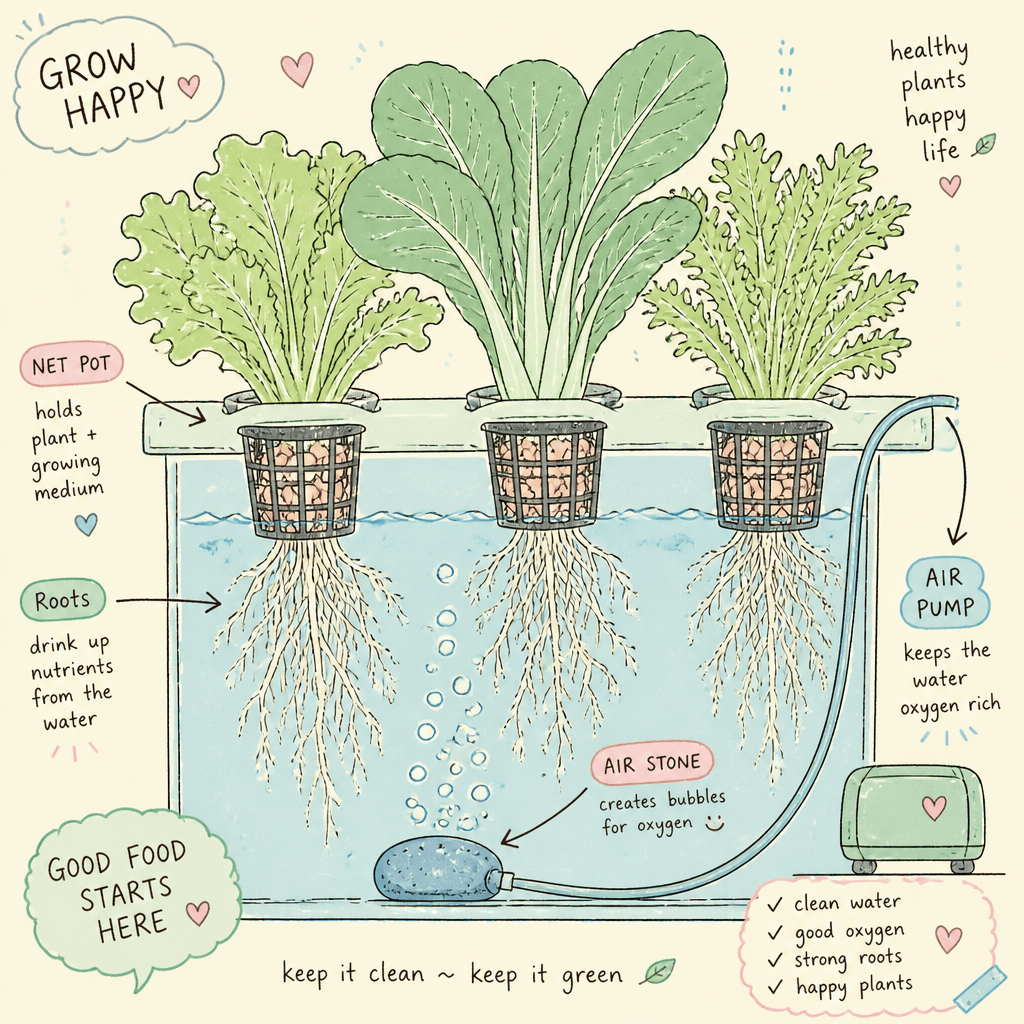
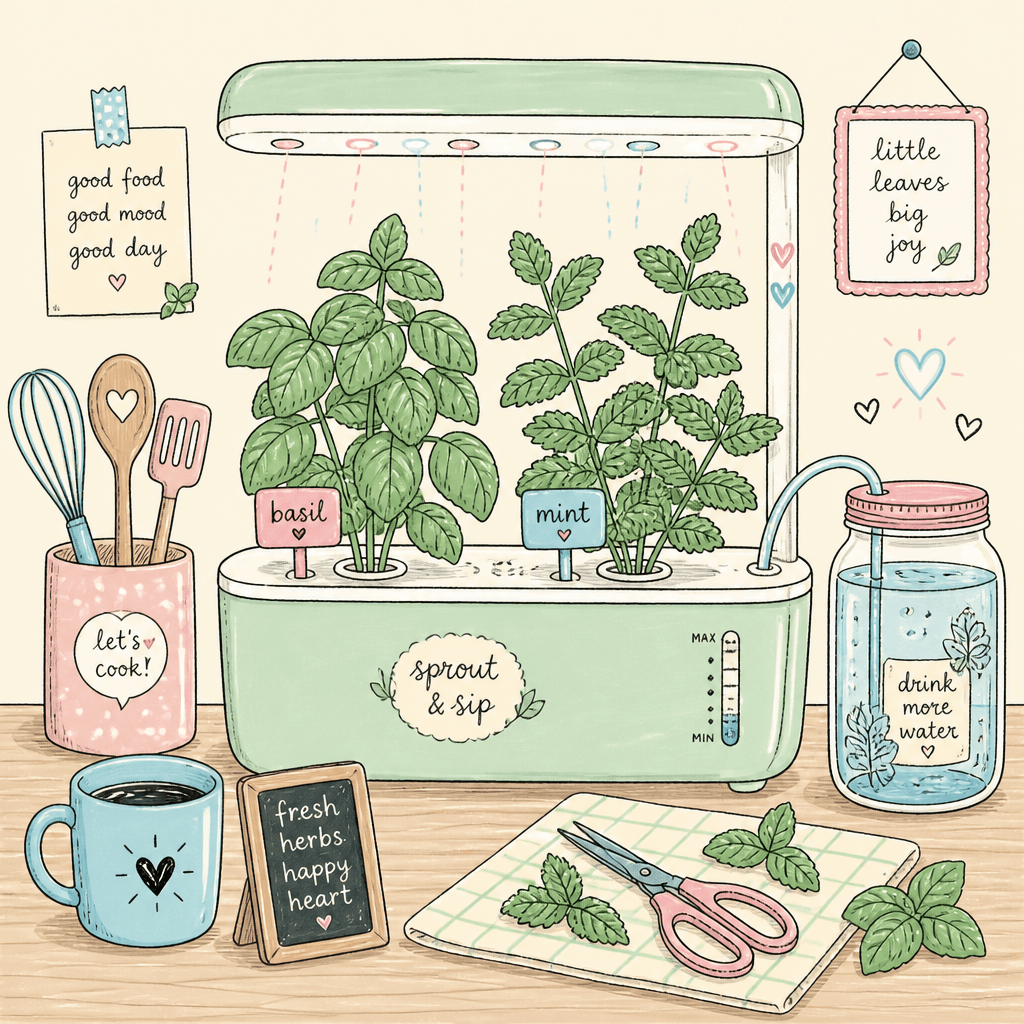
An indoor hydroponic system grows plants without soil. Roots either sit directly in an oxygenated, nutrient-rich water solution or are periodically flooded with one, so the plant absorbs what it needs straight from the water instead of pulling it from dirt. That's what lets a countertop kit grow consistently indoors under a grow light, with nothing to water into the ground and no soil to manage.
Benefits of Growing Indoors Hydroponically
Because the system recirculates water in a closed loop instead of soil that drains and dries out, it uses far less water than soil growing. Since light, temperature, and nutrients are all controlled rather than left to the season, it runs year-round regardless of what it's like outside. And because roots have constant, direct access to oxygen, water, and nutrients, plants tend to grow faster and more predictably than they would in soil.
How to Choose a System
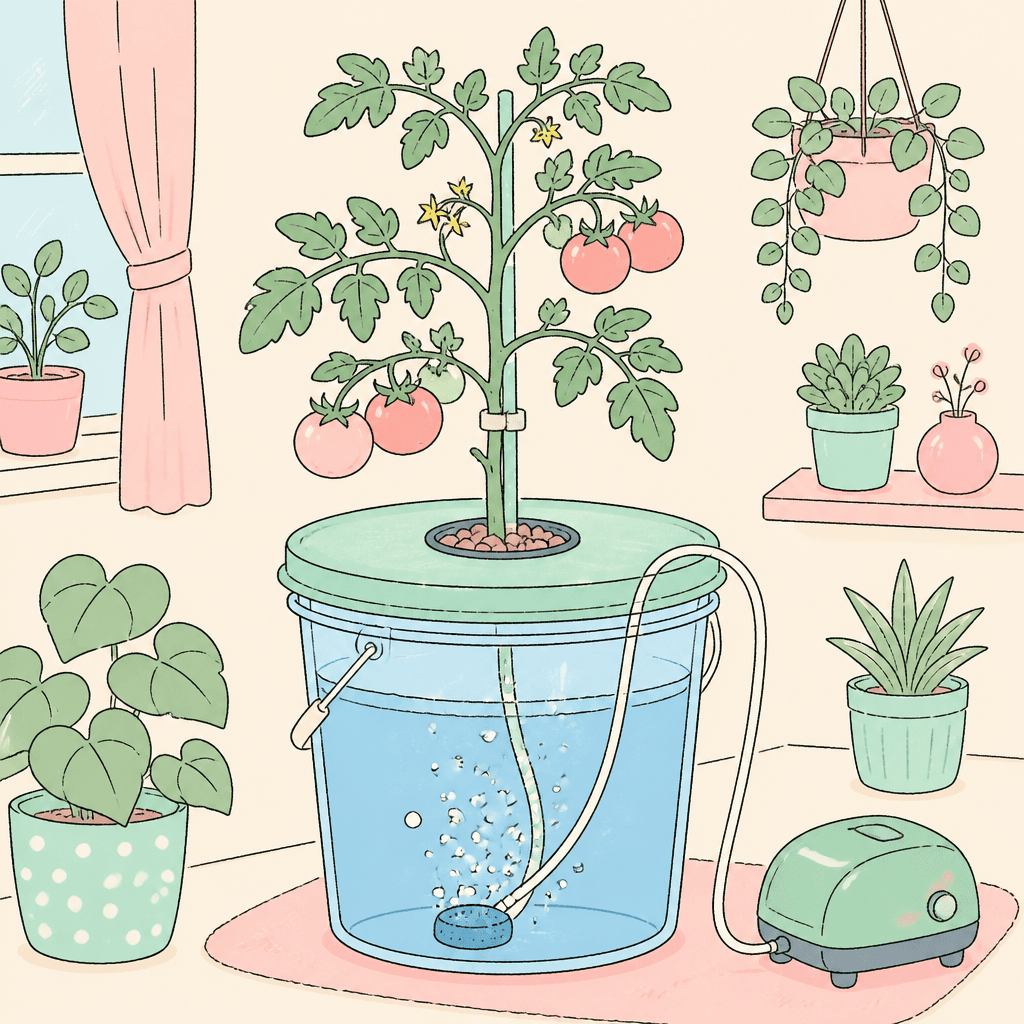
For a first system, look at Deep Water Culture (DWC), where roots hang directly in an oxygenated reservoir — it's the simplest, most forgiving setup and what most all-in-one countertop kits use. Nutrient Film Technique (NFT), which runs a thin film of nutrient solution through channels, suits fast-growing leafy greens but needs a precise slope and is more common in larger builds than countertop units. Ebb and flow systems flood a tray on a timer, then drain it — good for bigger or mixed crops, but more complex and pricier to set up. Once you've picked a system, two numbers matter for keeping plants healthy: pH, which most plants want between 5.8 and 6.5, and EC (electrical conductivity), which measures how concentrated the nutrient solution is and typically increases gradually as plants mature.